Best Time to Visit Europe’s Iconic Cities (and How to Avoid the Crowds)

People often ask for the best time to visit Europe. The truth is, there isn’t one perfect season — there’s only the right timing for how you want to travel.
Some months are better for walking cities, others for art and culture, others for coastal life. What matters most isn’t just the calendar — it’s how your days are planned.
Here’s a simple breakdown.
Spring: Calm, Light, and Easy (April to June)
Spring is usually the most balanced period.
Cities like Paris, Rome, and Florence feel alive again after winter — longer daylight, comfortable temperatures, and fewer visitors than summer.
It’s ideal for first-time travelers: museums are pleasant, walking is easy, and cafés start filling terraces. If you’re building a multi-city trip, this is often the smoothest season.
Summer: Vibrant, Busy, and Worth Planning Carefully (July–August)
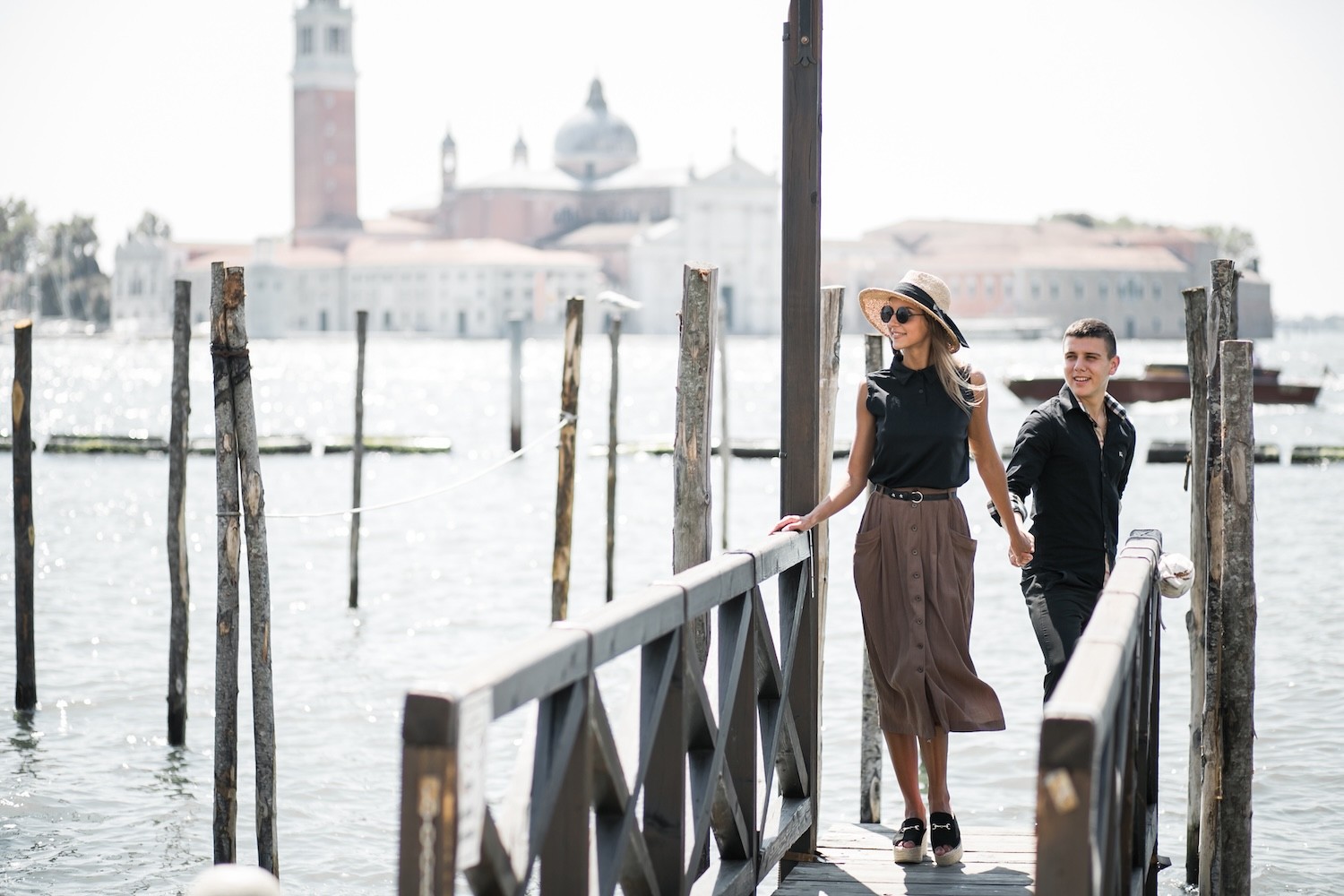
Summer brings energy — but also crowds.
Major cities are at their busiest, especially in places like Milan or Budapest. On the other hand, coastal destinations such as Nice and Cannes truly come into their own.
Summer travel works best when days are paced properly — early museum visits, quieter evenings, and space built into the schedule. Without that, it can feel rushed very quickly.
Fall: Quiet Luxury (September–October)
Autumn is a favorite for experienced travelers.
Crowds fade, temperatures soften, and cities feel more local again. September and October are excellent for art cities and walking itineraries, especially if you’re moving between several destinations.
This is often the best moment for a refined Europe journey — calm, beautiful, and unhurried.
Winter: For Atmosphere Lovers (November–March)
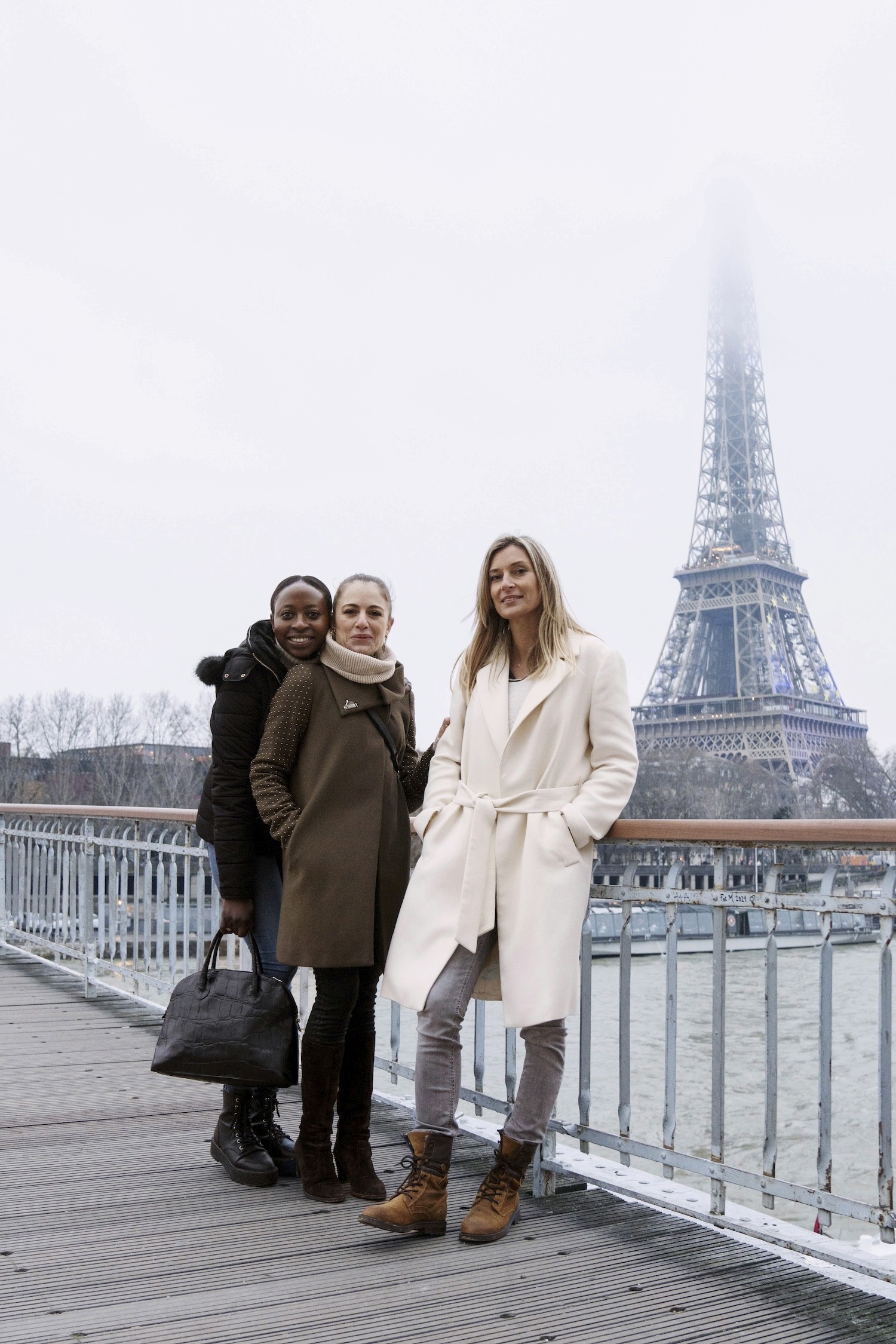
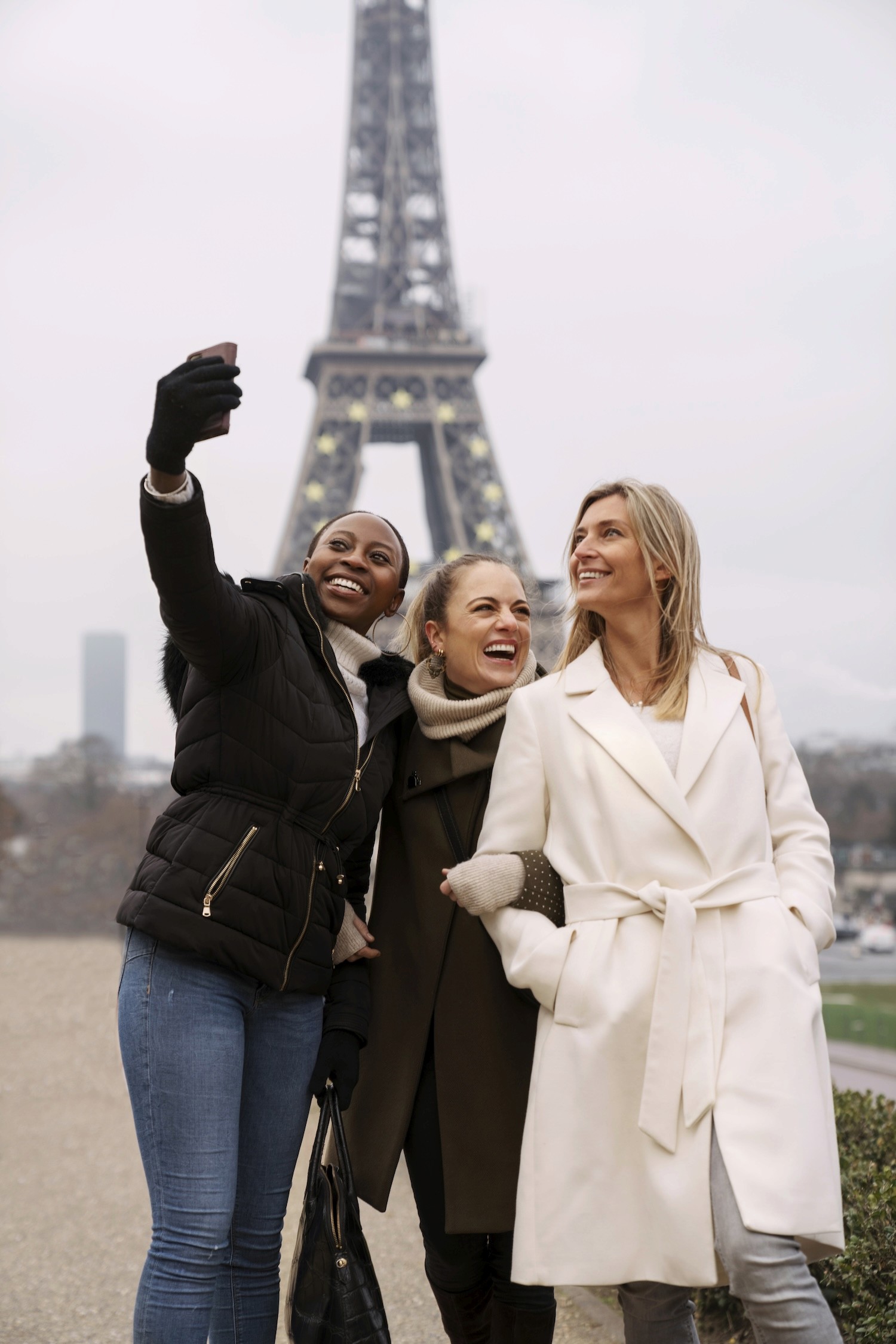
Winter isn’t about sightseeing marathons. It’s about mood.
Fewer visitors, easier access to landmarks, Christmas markets in December, and a slower rhythm overall. If museums, neighborhoods, and cafés matter more than outdoor touring, winter can be surprisingly rewarding.
What Really Makes the Difference
Most people focus on seasons. Professionals focus on timing.
Seeing landmarks at the right hour.
Balancing busy sights with quieter neighborhoods.
Knowing when to walk, when to pause, and when to experience something privately.
That’s what changes everything.
A well-paced trip in peak season often feels better than a poorly planned one in low season.
Final thought: Europe doesn’t need to be rushed. With thoughtful planning, every time of year offers something special — the key is letting each city breathe.